( translating, writing, & designing between the
senses )
This class, Sense to Sense, is now over. If you're interested in participating in a future iteration, please write us at sense-to-sense@ultralight.school, thanks!
translating, writing, & designing between the senses
Title
Sense to Sense
Subtitle
translating, writing, & designing between the senses
Instructors
Meg Miller
& Laurel Schwulst
Dates
5 weeks:
Week 1
Sunday, July 5
Monday, July 6
Week 2
Sunday, July 12
Monday, July 13
Week 3
Sunday, July 19
Monday, July 20
Week 4
Sunday, July 26
Monday, July 27
Week 5
Sunday, August 2
Monday, August 3
( 2026 )
Time
Sundays: 7-8pm ( WWW )
Mondays: 7-9pm ( WWW )
Location
Zoom ( WWW )
Price
$750
( two half priced scholarships available )
Application Deadline
June 15, 2026 at 11:59pm EST — Applications now closed
Sense to Sense is an online writing and publishing class about translation and the senses.
Over five weeks, participants will engage in readings and discussion about the five senses and explore what it means to carry sensations over into written form. How can a fragrance become a poem? What are the different ways to write an image, or to document a sound?
Ursula Le Guin has noted that all writing is a form of translation, from the perceptual into language. Renee Gladman says, “Translation is amazing, because it presumes there is something that needs to be carried from one place to another. But where is that thing?” We’ll look toward the senses to expand our use of language, to break us out of writing ruts, and to strengthen our voices. By the end of class, we’ll collect and publish some of our writings into a printed publication. Since the class is online, we’ll experiment with the constraints of being in different locations to produce something physical that travels and unites us.
This class is taught by Meg Miller & Laurel Schwulst. It takes place virtually over Zoom for
two consecutive days of the week (Sunday & Monday) for five weeks. We’ll meet: 1) On Sundays at 7pm EST for one hour reading discussions, 2) On Mondays at 7pm for two hours of exercises, sharing work, and publication planning.
Keywords
Essence
Materiality
Perception
Publication
Senses
Translation
Writing
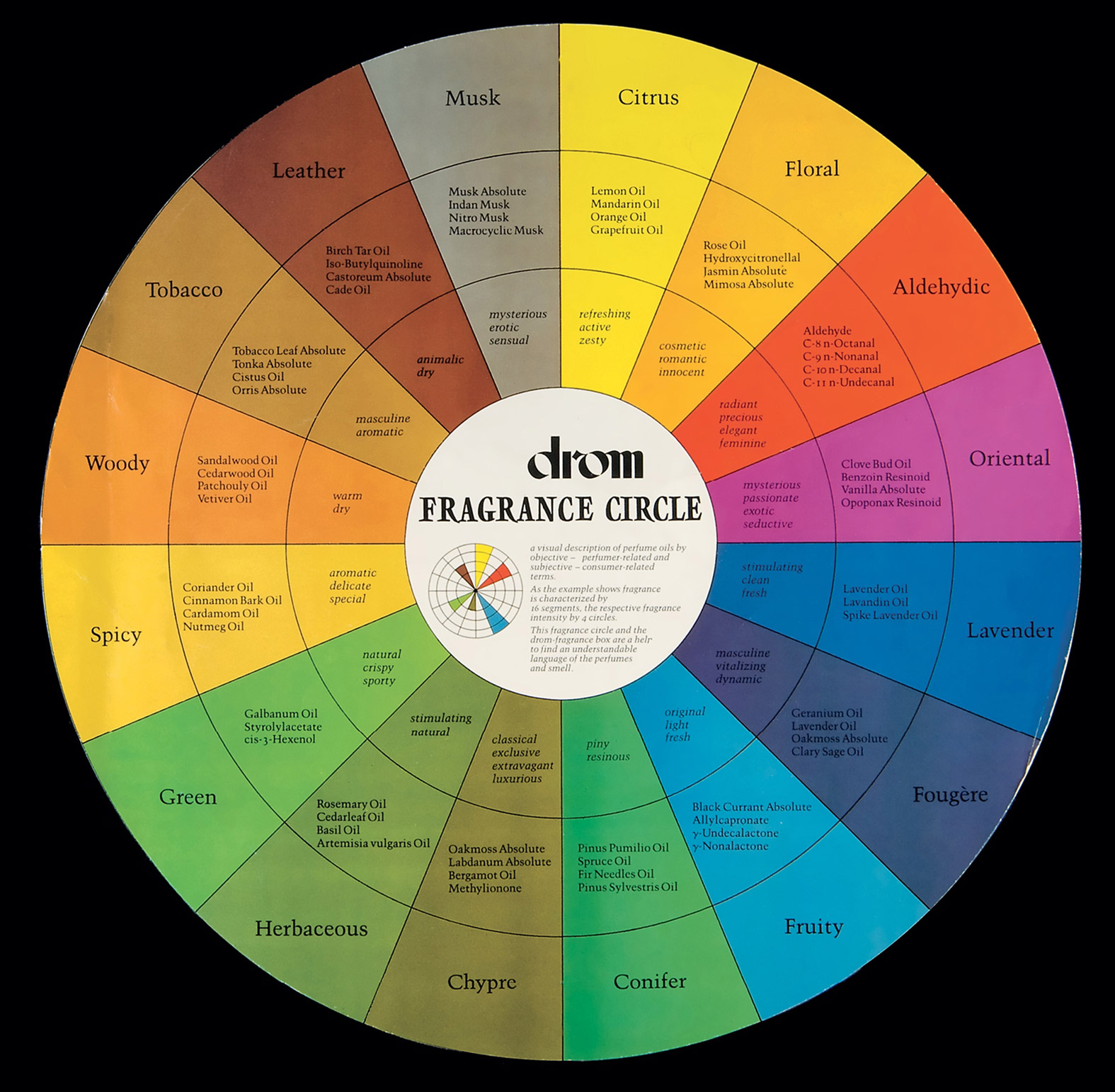
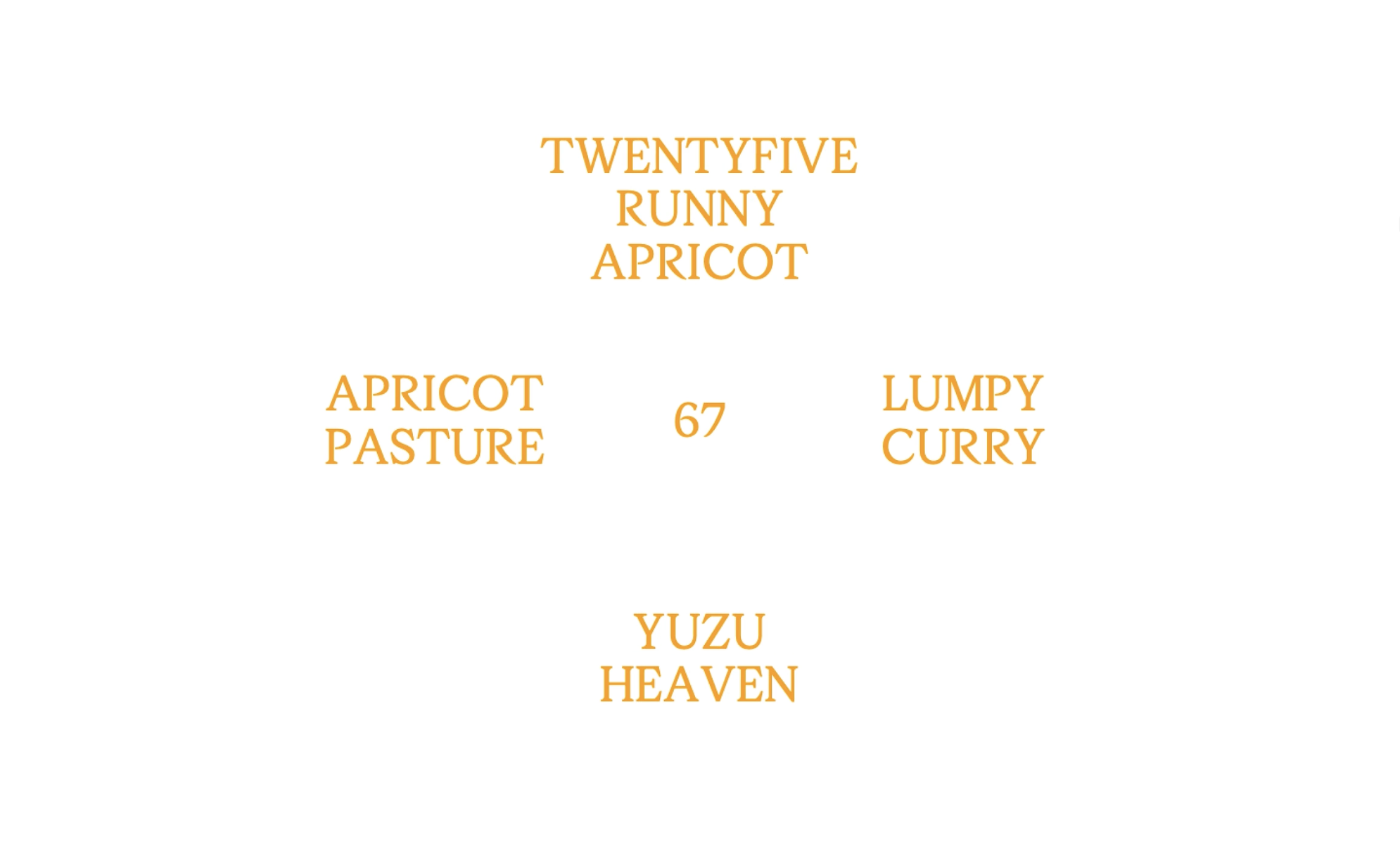
Fragrance Circle by Drom, global scent company (1911–) —
Source
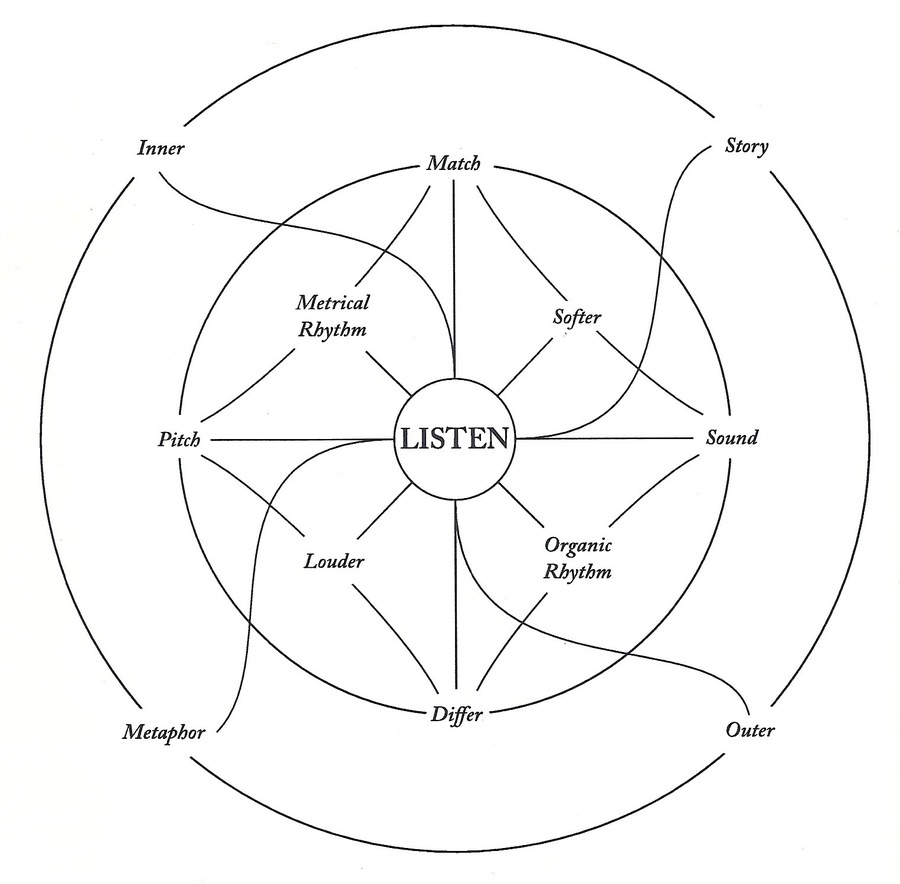
Pauline Oliveros’
text scores
guide deep listening, to help non-musicians create meaningful
interactions. This one is from 1990, with additional design by
Lawton Hall, Wind Horse (text ↔ sound)
Translation is traditionally understood as between languages — in
The Philosophy of Translation, Damion Searls traces
translation back to its Latin root translatio, meaning “to
carry across.” The Renaissance later introduced traductio,
or traduction, shifting the emphasis from simple transport
to a holistic transformation — one that preserves the essence, or
soul, of the original in an entirely new form. Walter Benjamin, in
The Task of the Translator, similarly suggests that
translation is not about equivalence but transformation, a process
that illuminates the original by placing it in a new constellation
of meaning.
Artists, in many ways, are natural translators. Art makes the
world unfamiliar so we can see it anew. Artists are naturally
sensitive and attuned to enchantment, estrangement, and sensation
— qualities that make them skilled at transmitting meaning across
boundaries.
Our class name, “Sense to Sense,” is a play on the term
“sense-for-sense translation.” This is an approach to translation
that prioritizes transmitting the overall meaning of the text — as
opposed to “word-for-word translation,” a literal translation of
every word. It’s the oldest norm for translation, stretching back
to Cicero.
In this context, “sense” is of course referring to a
meaning conveyed or intended. But we couldn’t help but
think about that other definition of “sense,” the one referring to
smell, sight, hearing, taste, and touch.
For this publication class, we’ll focus on translating the five
senses into language as a way of strengthening (and eventually
self-publishing) our writing. We’ll look at examples of writing
that translate smell, sound, visual art, etc., and we’ll also read
literary and linguistic translators writing about the art of
translation.
Translators are people who think a lot about language — its
material, its melody — and about how a translation is never just a
copy, it is always something new, always a collaboration. We’ll
take our cues from them as we pay attention to the rhythm,
cadence, structure, and voice of our own writing. We’ll also see
what happens when the original or source is not a text but a
sensation — how that might push up against the limits of language,
or require a new use of it…
Does that make sense?
Eduardo Kac’s
Aromapoetry
(2011) explores new kind of poetry in which the compositional
unit, the poem, is made up of smells (fragrance ↔ text)
We — Meg and Laurel — have long been interested in what arises
when you translate across the senses.
As an art and design writer, Meg thinks a lot about writing that
is in conversation with visual art. As an artist and web designer,
Laurel enjoys understanding something anew through rendering it in
a new form and sharing it. We
bothenjoy
attempting to describe scent. Together, we’ve had many
conversations about how translation across the senses can bring
new awareness to language and art.
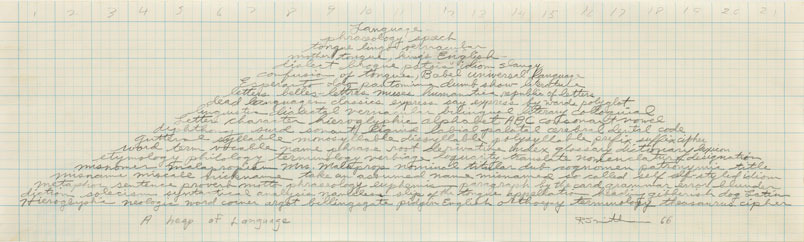
A heap of Language, Robert Smithson (1966)
Meg: When I started working on a past seminar about translation
and the senses, I sent you the syllabus to look over because I
knew you had been thinking about similar subjects...
Laurel: I was honored you asked me about it. I remember we talked
about how artists are sensitive to the world, and that’s what
makes them good receivers and translators of material, or the
essence or spirit of things. Sometimes I call this “sensorial spirit translation.”
Meg: Can you think of a particular moment when the subject of
translation became really interesting for you?
Laurel: Good question. Maybe it was being in art school and
feeling a pressure around constant invention. I realized that I
could translate something into a new format as a way of honoring
it; I like to think of this as subconscious invention. Similar to
drawing or painting a still life — without even trying, every
person’s translation will be different. We are all unique filters
of experience.
An interesting thing about art, too, is that a translation can
come from an invisible place. That is, how do we translate an
image that somehow appears into our minds? There’s that Joan
Didion quote you shared with me, from her piece “Why I Write” ...
When I talk about pictures in my mind I am talking, quite
specifically, about images that shimmer around the edges... Look
hard enough, and you can't miss the shimmer. It’s there. You can't
think too much about these pictures that shimmer. You just lie low
and let them develop.
Meg: Right, that quote helped inform my class about writing as
image-making — after Didion’s quote, I gave the class the subtitle
“shimmer around the edges.”
How does translation show up in your teaching now?
Laurel: I like to weave translation into all parts of my classes,
since it not only helps people feel comfortable by giving them a
clear mission, but I also understand translation as the basis of
all art-making...
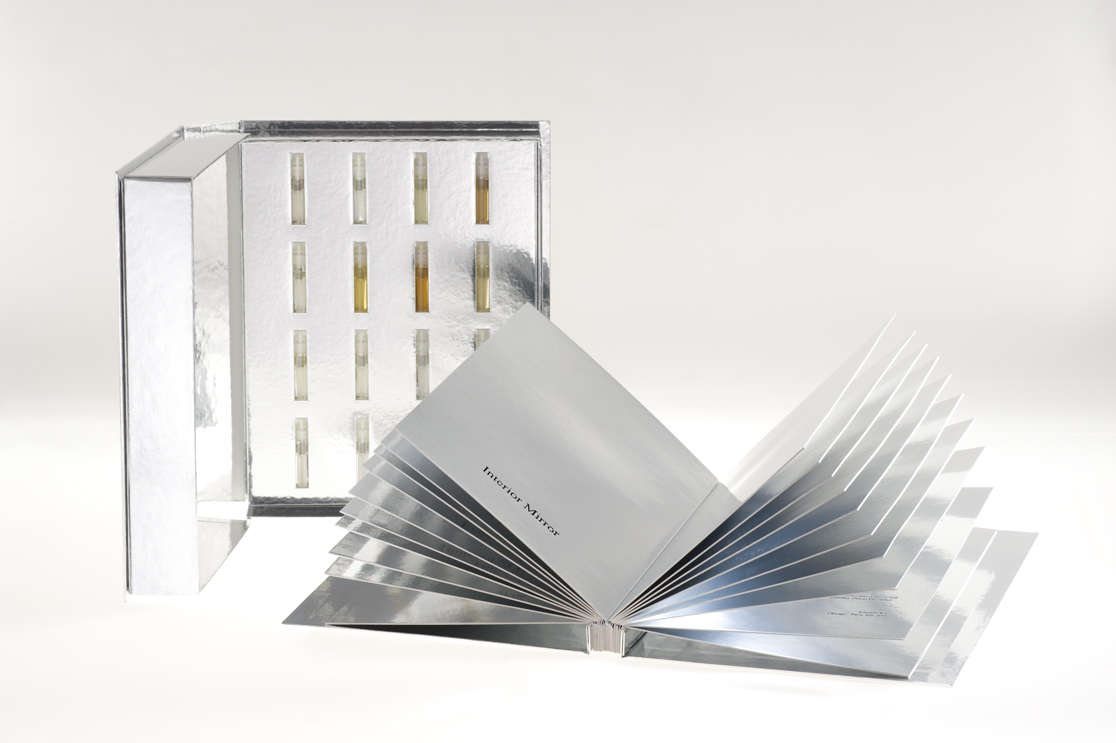
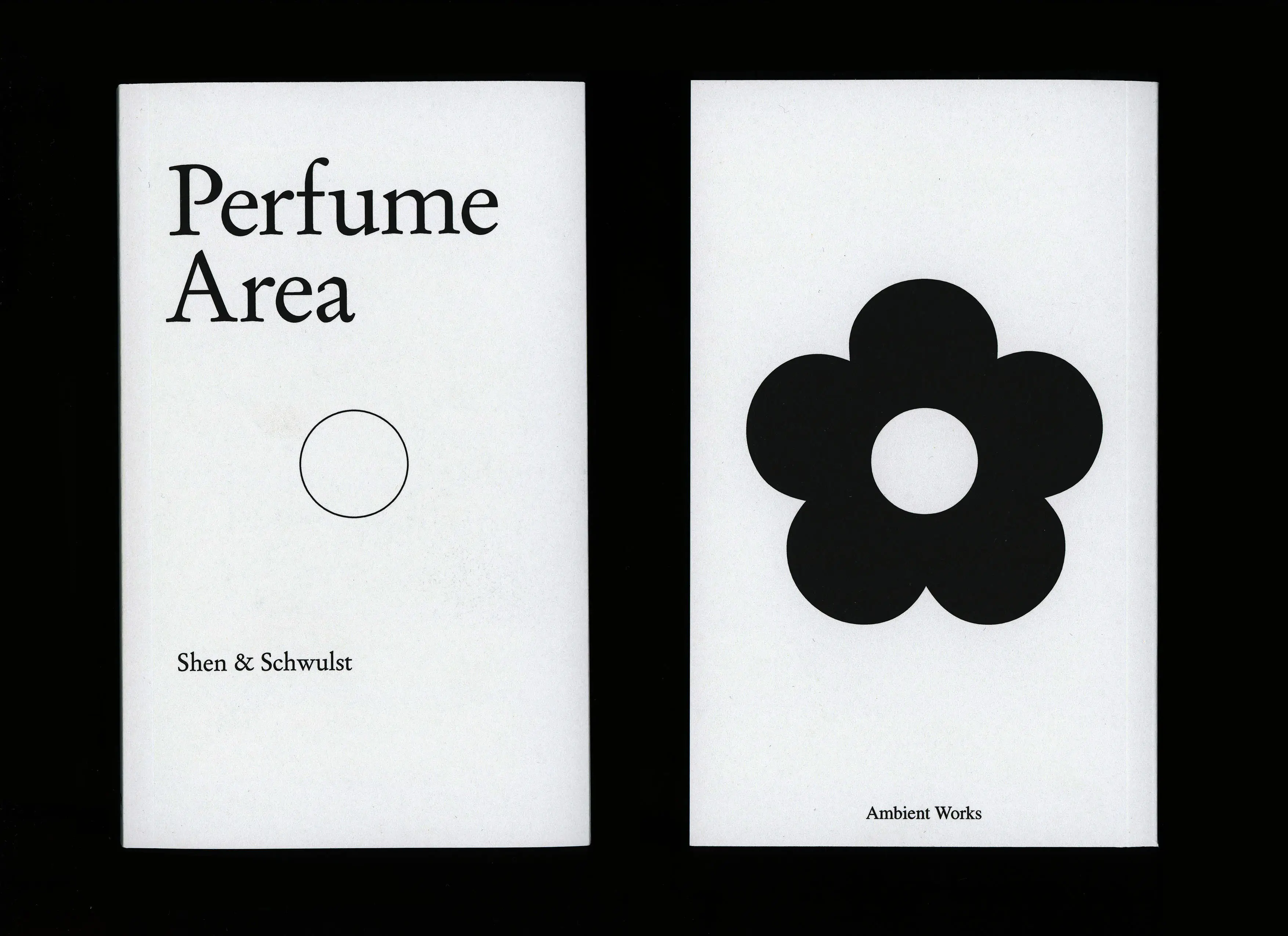
Laurel’s book of fragrance reviews,
Perfume Area, created in collaboration with Sydney Shen and published by
Ambient Works (2015)
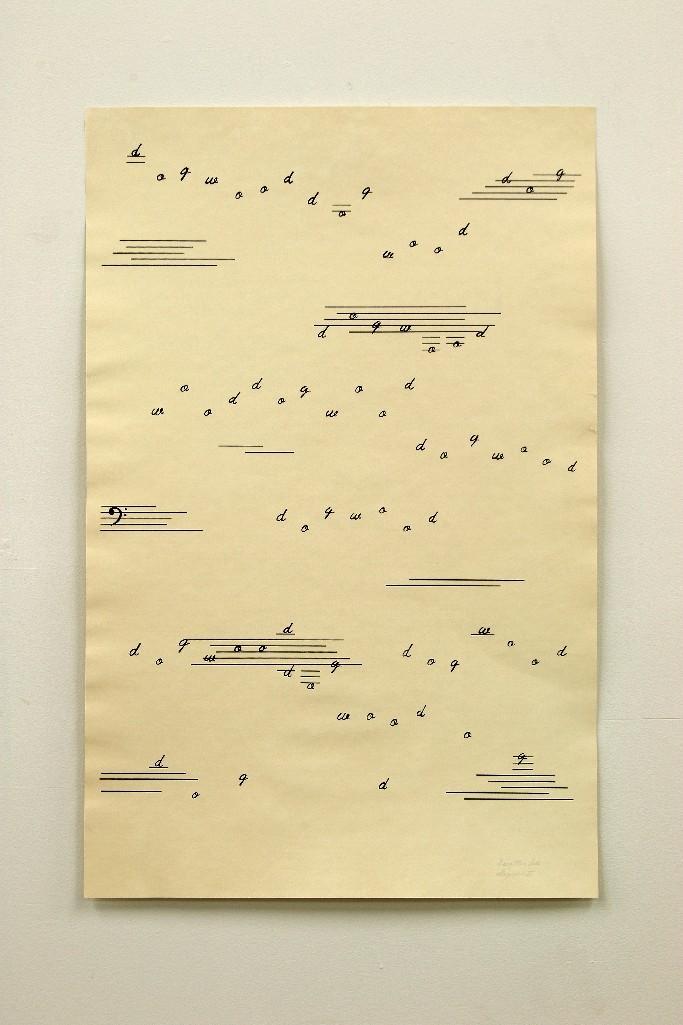
Dogwood II, Mary Ellen Solt (1965)
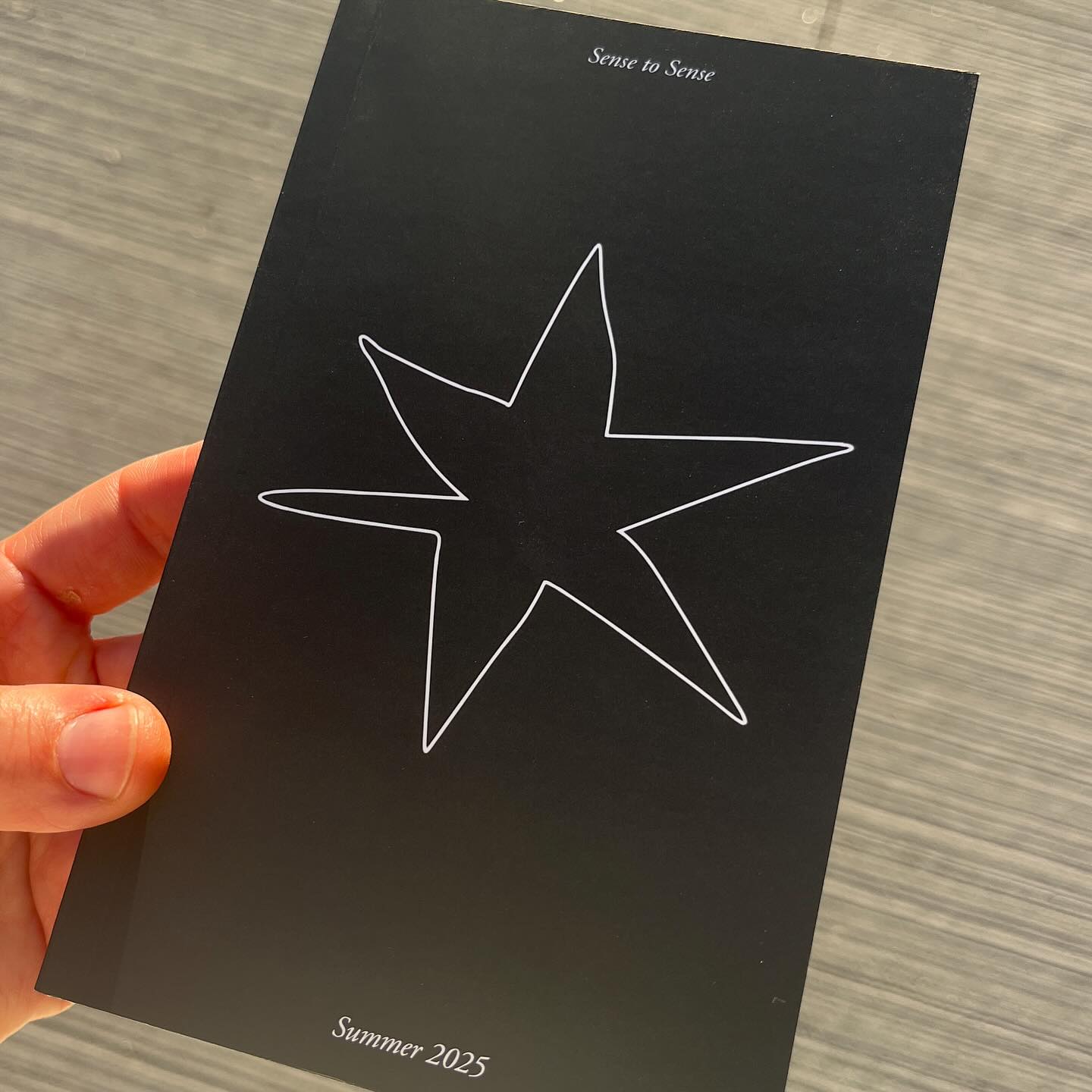
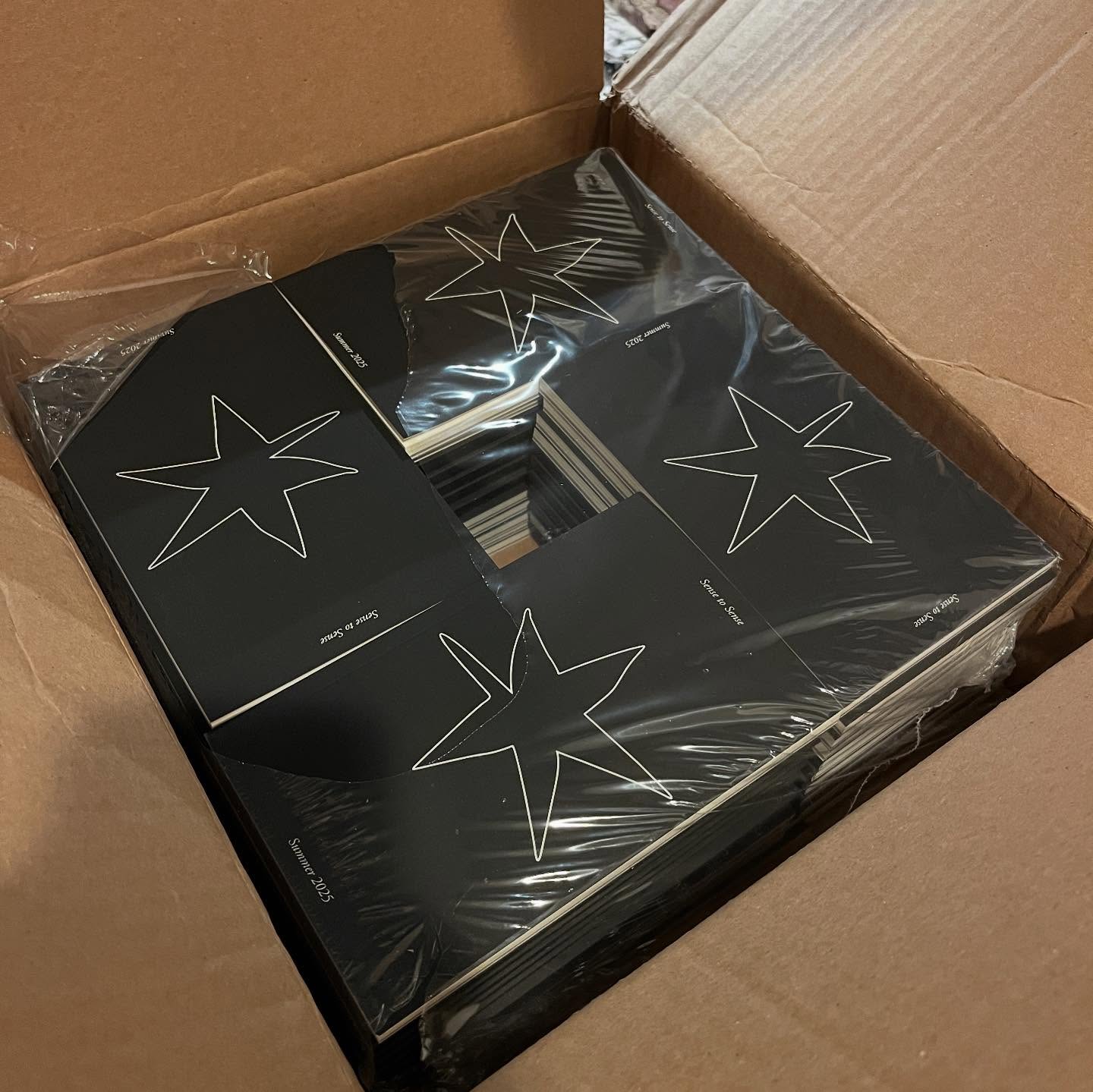
Laurel: Last summer we taught a version of this class for the first time, and together the participants produced the publication Sense to Sense. How do you feel about the end result? And how do you imagine this year’s publication going?
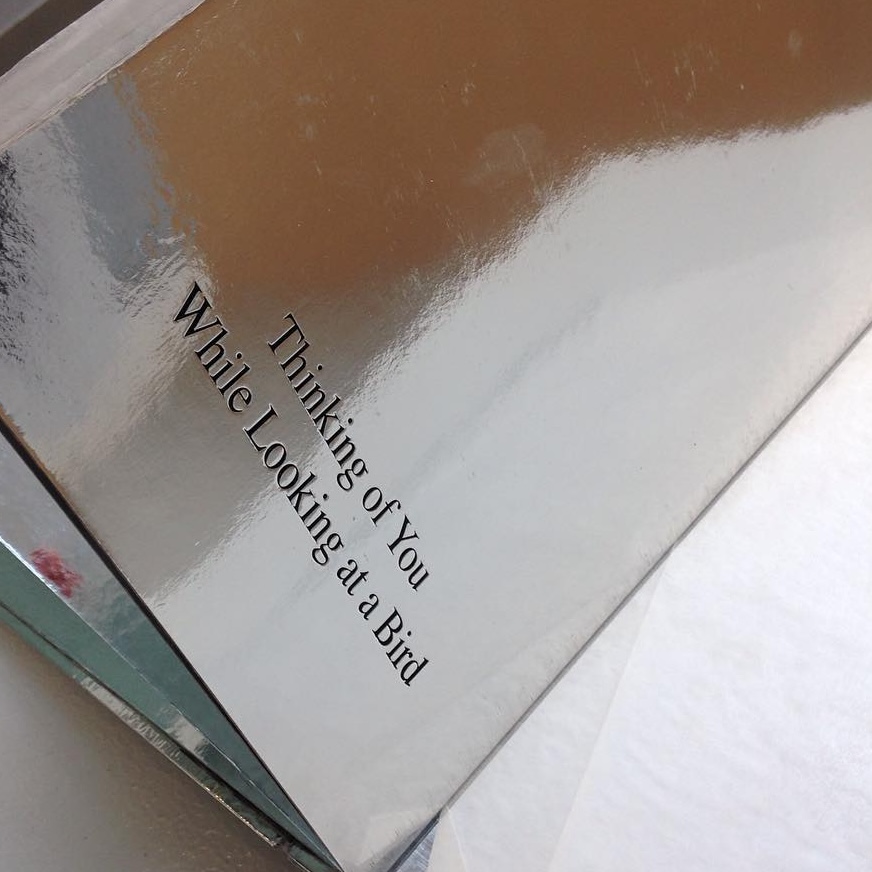
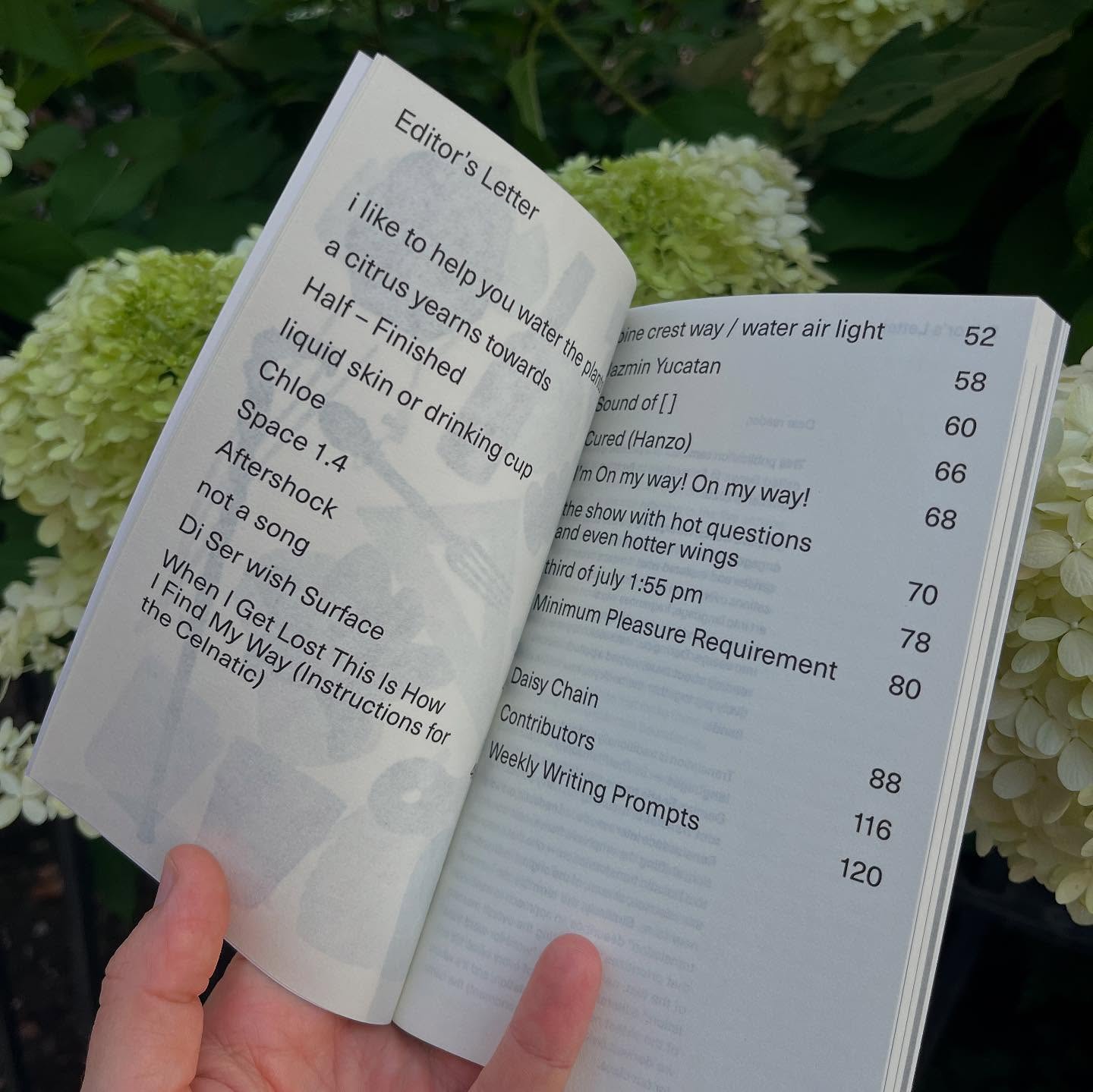
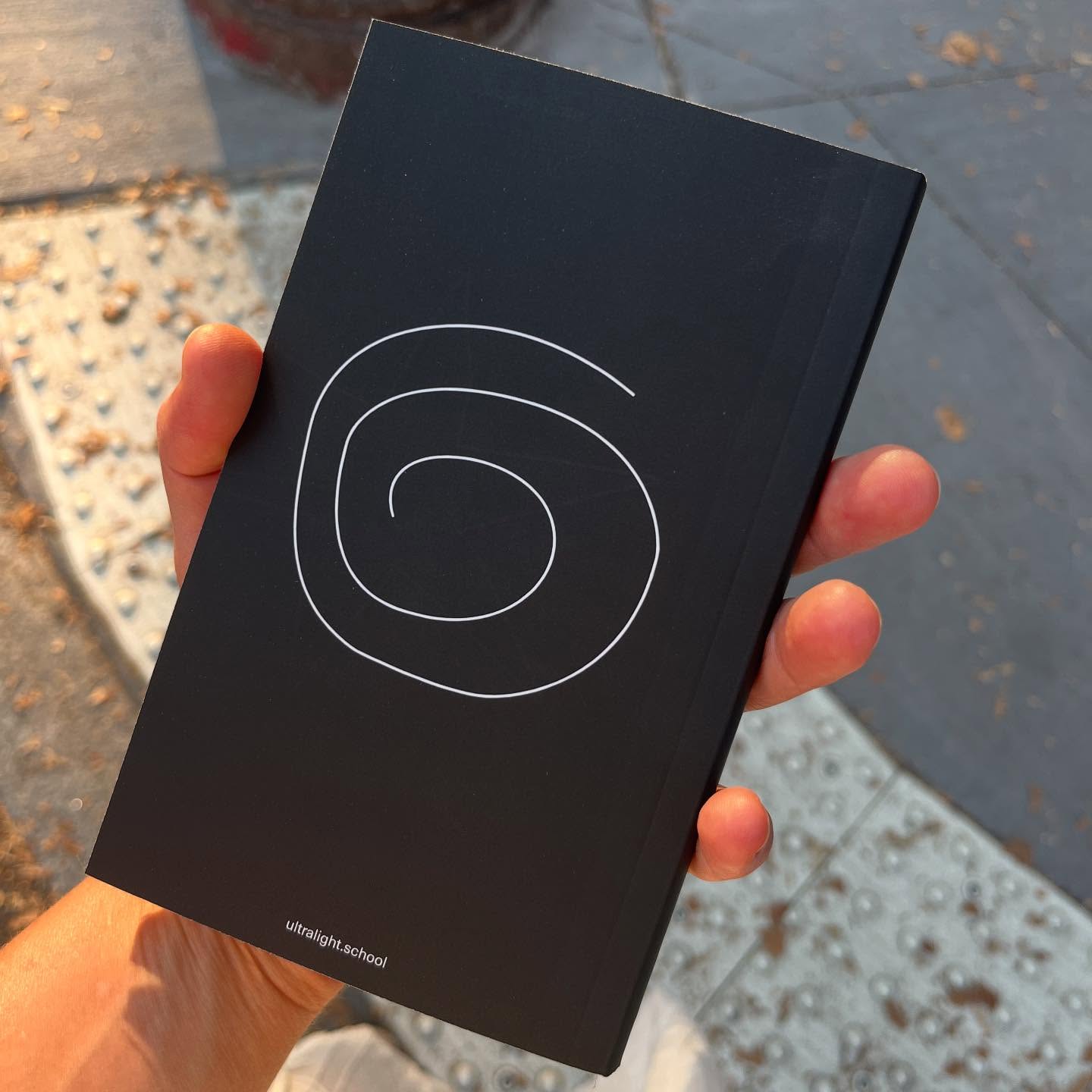
Sense to Sense class publication, Ultralight School (Summer 2025)
Meg: I love our class publication. I’m in awe of the quality of the writing, design, and production given how quickly it came together. For the class, participants wrote a piece every week based on writing prompts that had to do with one of the five senses. They each chose one of those pieces to publish in the book. We then divided into groups: the editorial group edited the pieces and organized the content, while the design groups designed the entire publication as well as a special bookmark to go inside.
Shout out to our participants from last summer for collaborating on the publication together. Ariana and Alicia designed the book and got everything ready to send to print, and Nat made these great illustrations that provided a kind of taxonomy for all the contributors and the book’s themes. Once the copies arrived, we held a reading in the lobby of a Midtown skyscraper called Park Avenue Plaza, which provided some elegant ambiance courtesy of a piano, greenery (both real and fake), and a waterfall. It's a POPS (Privately Owned Public Space), so it was free for us to use… Thank you to Jess, who helped organize.
In general, I love making class publications because, one, I think publications are a way of creating a social body — it’s a thing to organize around — and, two, I really think it does something to see your work published. For my writing workshops at VCU, we’ve published the books Say Sense Is Not Everything and Polyphonic Shimmering, A while back I came into your classes at Yale and VCU to
help make
The Internet Onion. And I loved the
Ultralight Publication
you made with your ultralight workshop previously. I’m excited to
make one with this class.
This year’s Sense to Sense class is online, so we’ll have to establish a slightly different publishing process since we won’t all be in the same place. But it’s going to be fun to figure out, and we already have some ideas for how it might work…
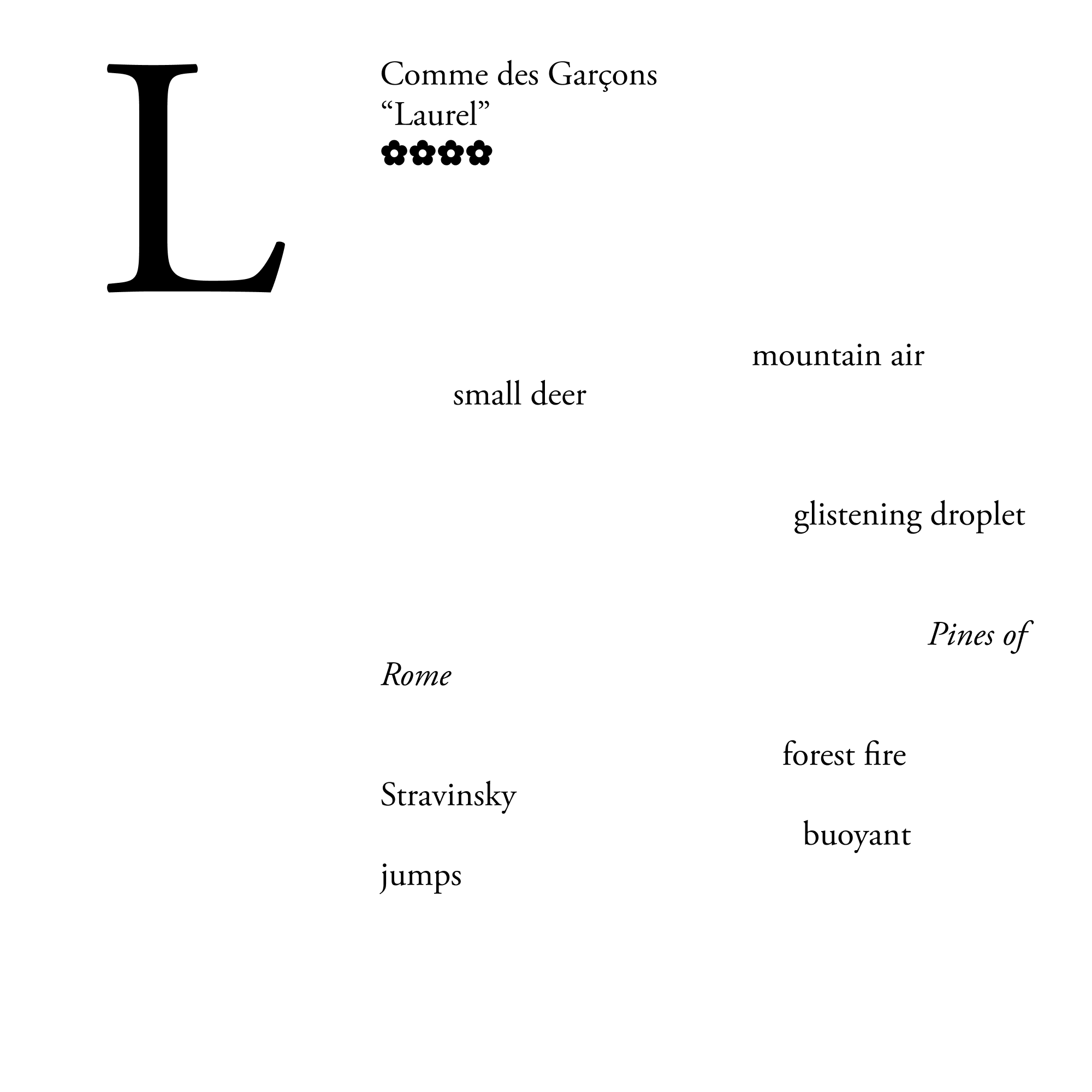
L (Night) from
Perfume Area, THE ALPHABET, Sydney Shen & Laurel Schwulst (2024)
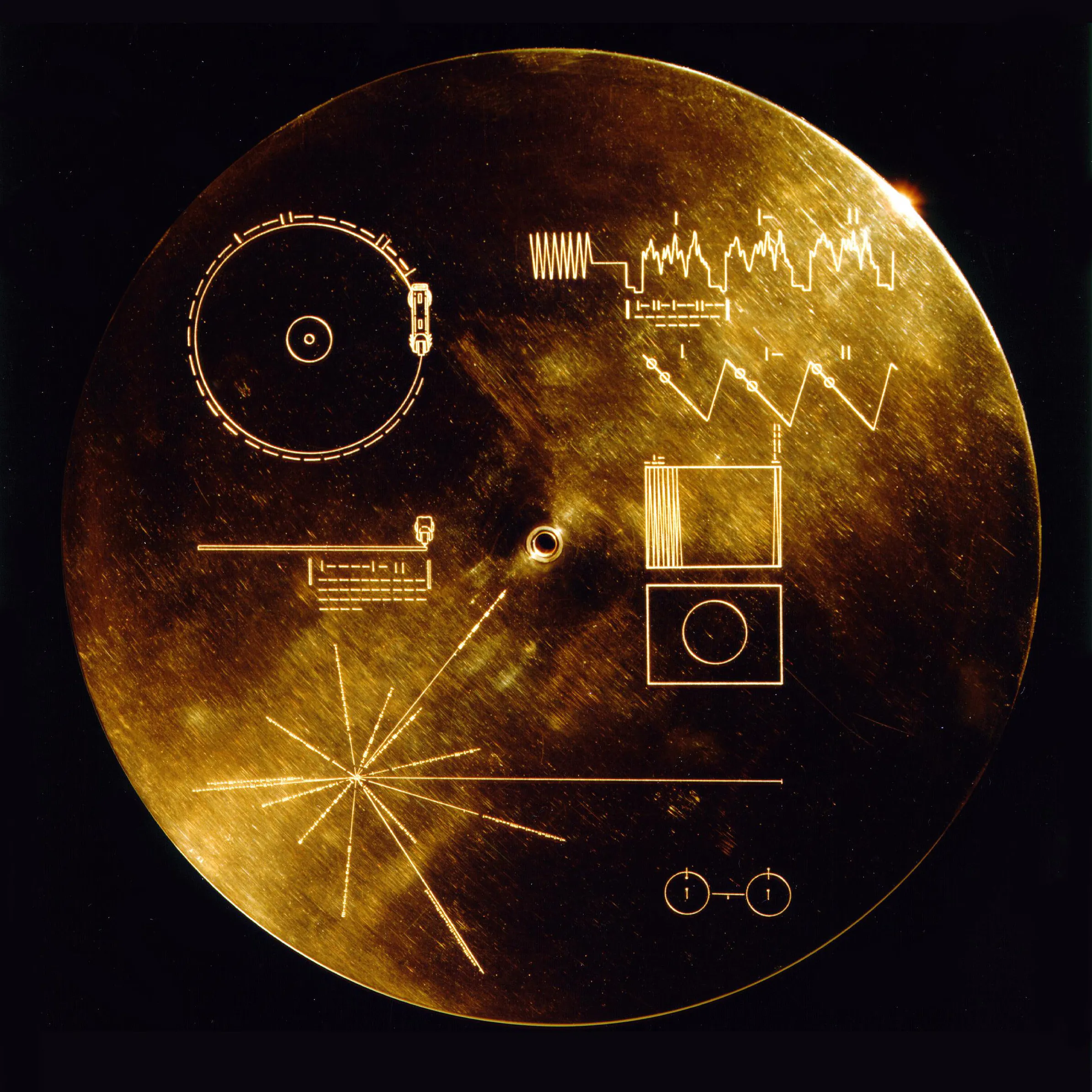
The
Voyager Golden Record
(1977) is a group publication designed for extraterrestrials,
making use of multiple senses, languages, and ways of
perceiving. See also:
Pioneer Plaque
(1972)
Meg Miller
is a writer and editor living in Richmond, Virginia who has
contributed writing to the New York Times, Frieze,
BOMB, Los Angeles Review of Books,
The Atlantic, and other web and print publications, mostly
about the ways design, art, language, and technology shape culture
and society. She’s editorial director at Are.na and teaches at
Virginia Commonwealth University.
Laurel Schwulst
is interested in ambient forms of design and literature, public
works, and the poetic potential of the world wide web. Laurel has
held design and creative direction roles at companies including
Linked by Air, Kickstarter, and Are.na. She has taught design at Washington University in St. Louis,
Princeton, Yale, and her own learning initiatives: Fruitful School
and Ultralight School.
The class meets virtually for ten sessions over the course of five weeks. Sessions happen on Sunday evenings (7-8pm EST) for reading discussion, and Monday evenings (7-9pm EST) for exercises, sharing work, and publication making. Specific dates: 7.5, 7.6, 7.12, 7.13, 7.19, 7.20, 7.26, 7.27, 8.2, 8.3. Note that a couple weeks after the last class will be reserved for collaborative publication-making amongst the participants, with a final publication launch to be decided collectively.
( What materials do I need? )
You will need an internet-connected device to participate in virtual Zoom meetings, along with a stable internet connection and a relatively quiet environment to easily listen and participate in class. We will be using Google Drive / Docs to share our work and offer each other feedback. In general, you will need something to write and design with. Some prefer notebooks and pen / paper, others laptops.
( Are there scholarships available? )
Yes, there are two half-priced spots available for individuals who
need help funding the class.
( Who might be good for this class? )
We imagine this class is ideal for anyone who is interested in
multi-sensorial experience and would like to evolve their writing
practices. Or, maybe you'd like to simply have fun writing through
translating the senses this summer. The class will end in a group
publication, so it's also a good way to gain experience having
your work published. Additionally, we would like to form a
complementary and supportive group (please see our
code of conduct), so we welcome anyone with specific perspectives and/or skills
who are excited to witness and encourage others’ writing
experiments and publication efforts.